GLM-5 Signals the Agentic Code Era: Why SDD Matters Even More
2/23/2026
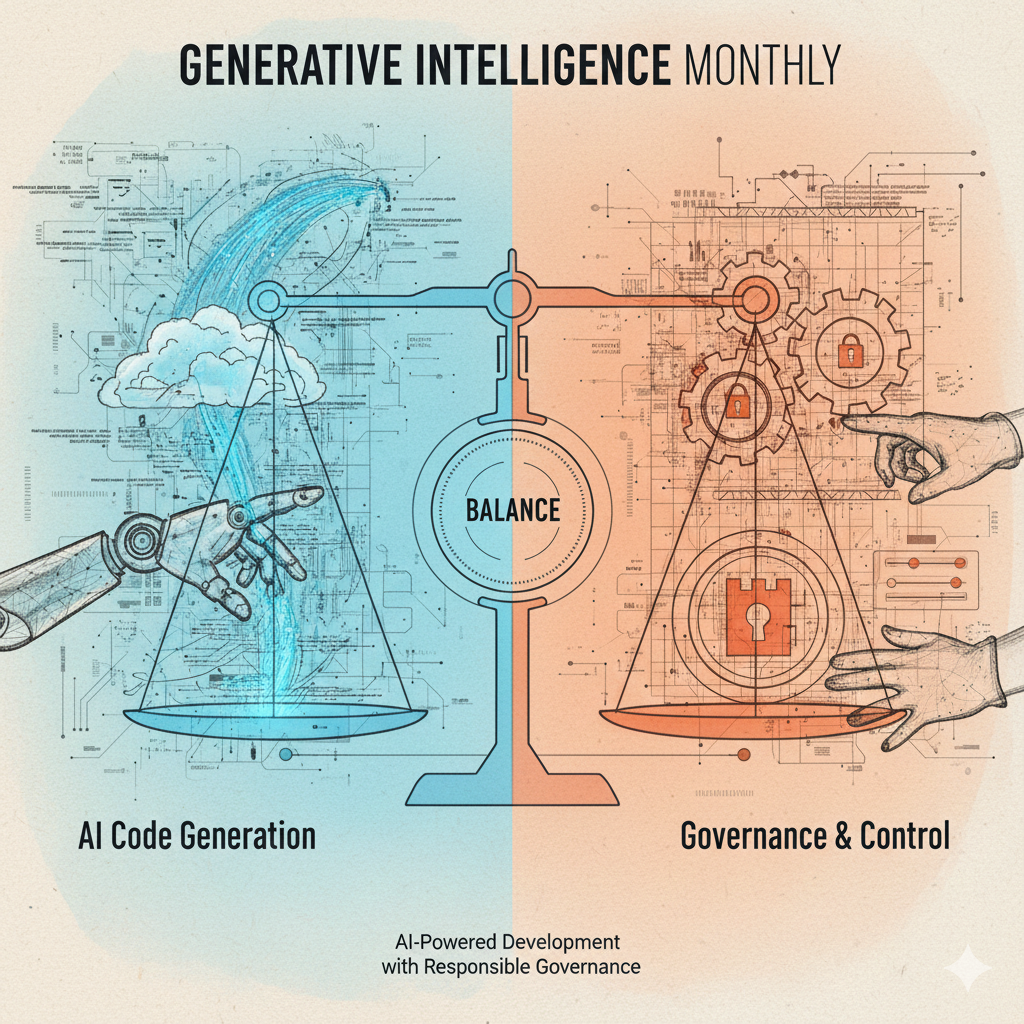
Intro
A hot argument is spreading across developer communities:
If Claude Code has plan mode and team swarm mode (with a PM agent generating PRDs), do we still need SDD? Do open-spec, spec-kit, and workflow still matter?
This question goes straight to the core engineering debate of 2026.
On one side, Claude Opus 4.6 Agent Teams reportedly used 16 instances to collaboratively build a C compiler capable of compiling the Linux kernel (100k lines), for around $20,000.
On the other side, Zhipu’s GLM-5 also clearly states: 2026 is the year of Agentic Code.
If AI can generate three months of code in one day, do we still need formal specs?
The answer is counterintuitive: in the Agentic era, SDD is not outdated. It is more important than ever.
1. Clarify the nature of the three concepts
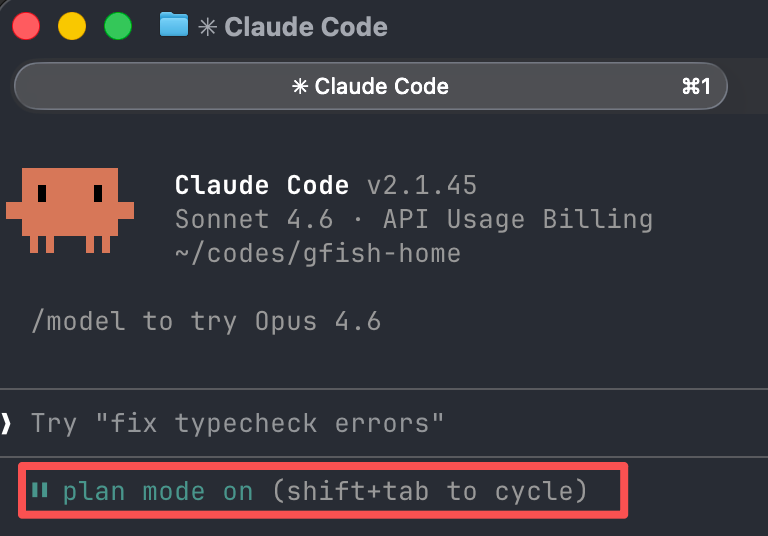
1) What is plan mode?
At its core:
Structured reasoning output for the current task
Key properties:
- ephemeral: discarded after use
- current-context focused: solves immediate problems
- no cross-task consistency guarantee
- no long-term engineering contract
Plan is an agent’s reasoning draft, not an engineering asset.
2) What is swarm mode?
At its core:
A multi-agent collaboration framework
It looks like a full team:
- PM agent writes requirements
- Architect agent designs
- Dev agent codes
- QA agent tests
But note: swarm mode solves division of labor, not long-term governance standards.
Each run is task-driven and does not automatically ensure:
- long-term architecture consistency
- unified design language
- continuous API standard evolution
- requirement version traceability
Unless you design those constraints separately.
3) Then what is SDD?
SDD (Spec Driven Development) is:
Turning requirements, design, and constraints into engineering contracts
It is not “just documentation”. It is:
- structured
- diffable
- reviewable
- verifiable
- test-bindable
- enforceable as hard constraints for agents
SDD is system memory plus behavioral boundaries.
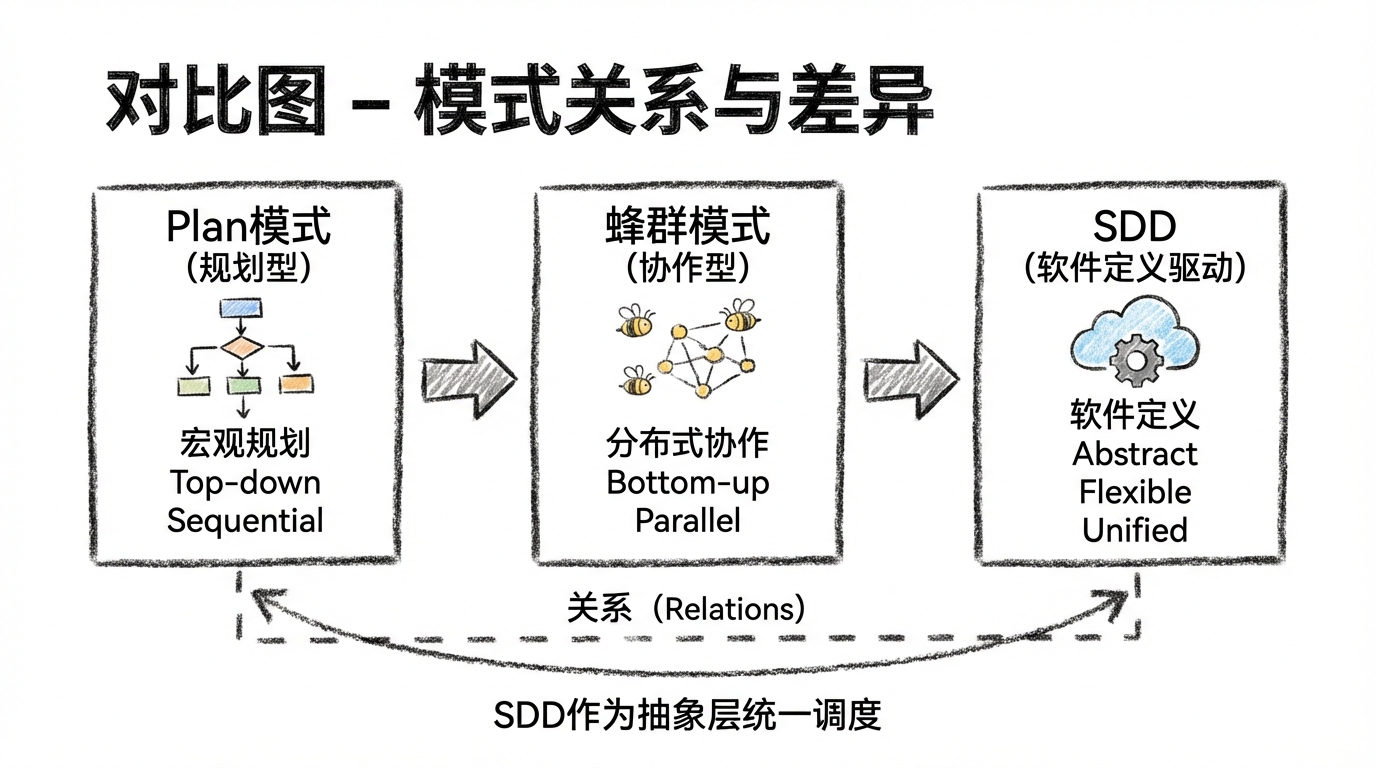
2. One table to show the core difference
| Dimension | Plan | Swarm Mode | SDD |
|---|---|---|---|
| Lifecycle | Single task | Single task | Long-lived |
| Goal | Reasoning | Collaboration | Constraints |
| Engineering asset | No | No | Yes |
| Version-manageable | No | No | Yes |
| Agent constraint strength | Weak | Medium | Strong |
| Fit for long-term systems | Medium | Medium | Strong |
Core view:
Plan is cognition
Swarm is collaboration
SDD is governance
They solve different problems. This is not a replacement relationship.
3. Why SDD matters more in the Agentic era
Before vs now
Before:
- humans coded slower
- discussions took longer
- errors surfaced slowly
Now:
- agents code extremely fast
- one day can produce three months of code
- bad decisions amplify at exponential speed
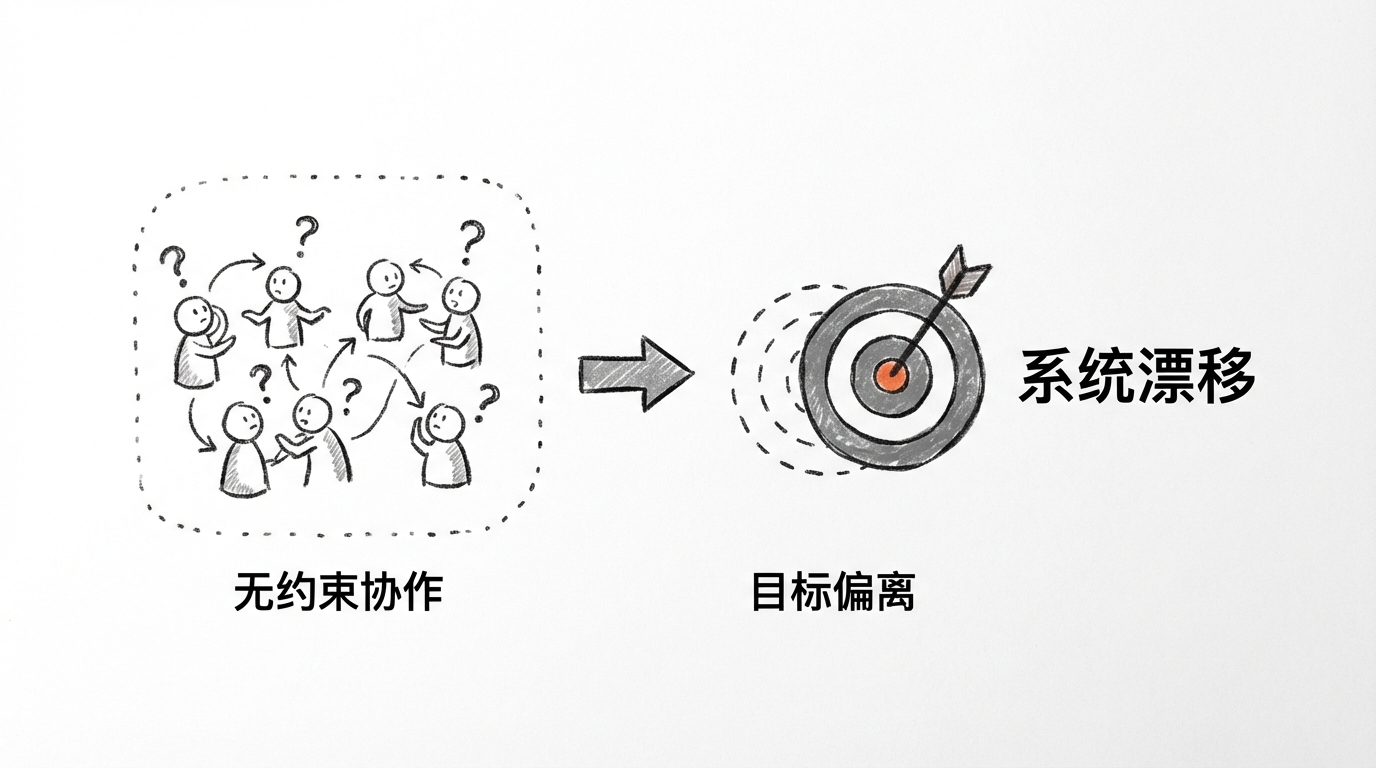
Without spec constraints, systems drift.
That is Agentic chaos, and many teams in 2026 are already seeing it.
A realistic scenario
Imagine this:
Today your PM agent defines RESTful APIs, tomorrow it switches to GraphQL because context changed.
Yesterday the dev agent used TypeORM, today it changes to Prisma.
Every agent is making “smart” local decisions, but nobody knows what the system is becoming.
That is not collaboration. That is chaos.
4. When SDD is truly not necessary
Scenario 1: Solo, short-lived projects
- single developer
- short lifecycle
- low concern for long-term maintenance
Plan + swarm is enough.
Scenario 2: MVP validation stage
If your goal is rapid trial-and-error, heavy SDD can slow you down.
Ship first, standardize later.
5. When SDD is mandatory
1) Long-lived products
- evolving for more than 6 months
- multiple features in parallel
- version history matters
2) Multi-team collaboration
- multiple PMs
- multiple developers
- multiple agent roles
3) Complex domains
- finance
- healthcare
- security systems
- infrastructure
Because these systems require:
- traceability
- auditability
- rollback ability
- verifiability
Plan mode alone cannot deliver this.
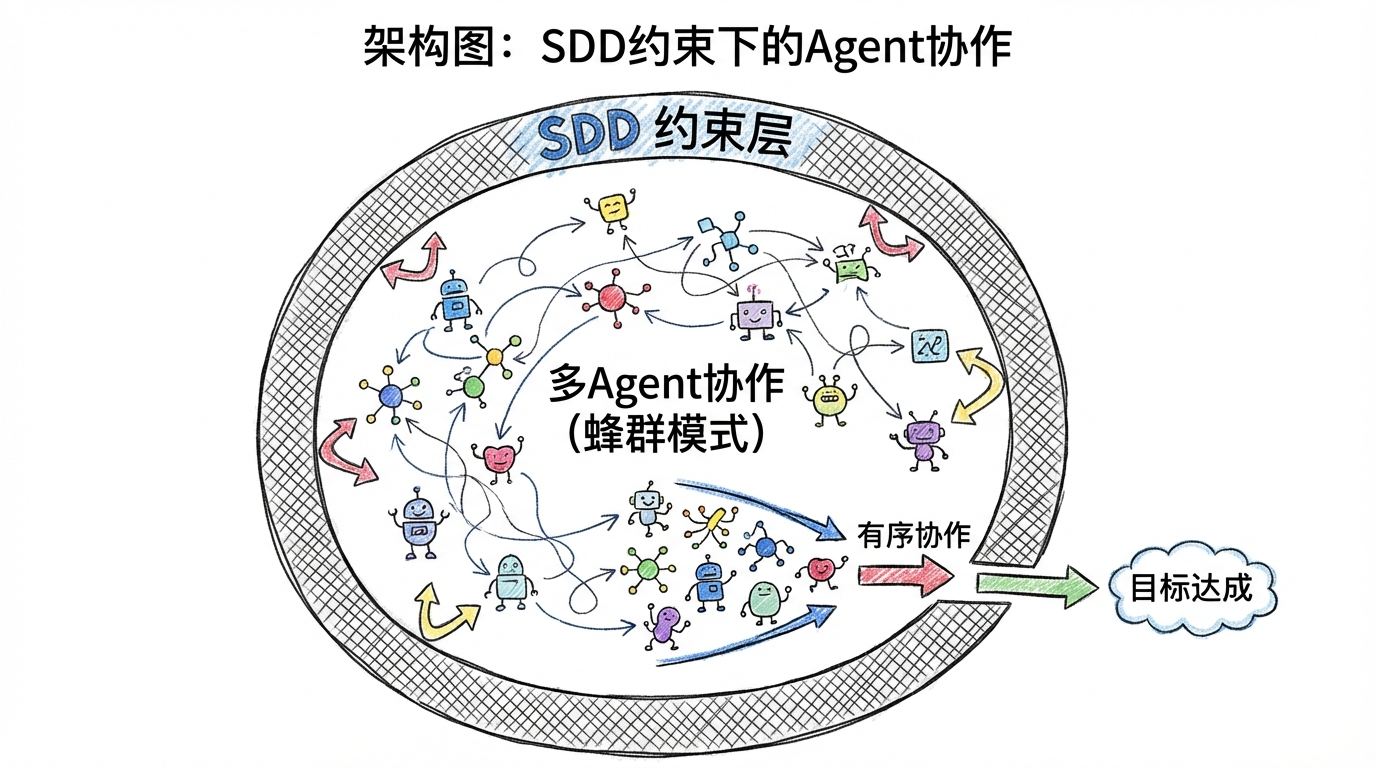
6. Advanced form: swarm running under SDD constraints
Mature teams do not do “swarm replaces SDD”.
They do this:
Run swarms under SDD constraints
In practice:
- PM agents must output using spec templates
- Architect agents must follow interface standards
- Dev agents can only code within spec boundaries
- QA agents must generate tests from acceptance criteria
This is how you get stable systems.
7. The key decision question
Use one question to decide whether you need SDD:
Will this system still exist one year from now?
If yes, you almost certainly need SDD.
8. Final summary
2024: AI as a tool
2025: AI as a collaborator
2026: AI as an executor
Once AI becomes an executor, you need governance.
SDD is that governance structure.
Solo development
Plan + swarm -> enough
Small teams
Lightweight specs + plan + swarm -> best balance
Multi-team / long-lived products
Full SDD + swarm mode + workflow -> required
High-risk systems
SDD + swarm + strict audit -> survival strategy
Closing
The 2026 engineering paradigm is not a binary choice.
Plan, swarm, specs, workflow, and superpowers are not replacements for each other. They are controls at different layers.
The key is understanding each tool’s nature and combining them to fit your team.
Real engineering wisdom is not chasing whatever is newest. It is using the right tool for the right context.
欢迎关注公众号 FishTech Notes,一块交流使用心得!